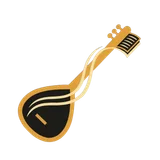
Bağlama and Technique
Parts of Bağlama and Their Functions
Functions of bağlama's basic parts: body, neck, pegs, strings, bridge, and plectrum. How each part affects timbre, tuning, and playing comfort; a practical guide for maintenance and repair.
- bağlama
- anatomy
- body
- neck
- technique

Overview of bağlama anatomy
Bağlama consists of two main parts, body and neck; however, every part with a musical function has its own role. The body amplifies and reflects sound, the neck determines fret length, pegs adjust string tension, strings are the source of vibration. Bridges limit string height, the plectrum transfers energy to strings. When these parts work as a whole, bağlama's characteristic timbre emerges. Knowing the instrument by its parts is a fundamental step for fault diagnosis and creating a maintenance plan.
In Turkish folk music, bağlama has been used as both solo and accompaniment instrument for centuries. Short-neck, long-neck, and cura share the same anatomical logic though measurements differ. Historical instruments such as Aşık Veysel's saz show how critical the harmonious operation of these parts is. A beginner player should first learn part names; then discover how each reflects in playing through experience.
Body: the heart of sound
Bağlama body is usually made from mulberry, walnut, or chestnut wood. The front plate is worked thinner; it receives vibration and transmits it to the inner volume. The back plate may be thicker; it balances the body. Side ribs join the two plates and ensure sound continuity. Body shape may be round, almond, or flat; each gives a different timbre character. A finely crafted body produces richer and fuller sound even with the same strings.
The sound hole on the body releases internal pressure outward; its position and size affect timbre. Bodies carrying cracks or repair marks cause tuning and sound problems in the long run. The body is sensitive to humidity and temperature changes; therefore storage conditions are part of maintenance. Wiping the body with a dry cloth and avoiding excessive polish extends varnish life.
Body material and timbre relationship
Mulberry body offers a warm and soft character; it is often preferred in Central Anatolian türkü. Walnut gives a brighter and sharper attack. Chestnut provides a balanced middle path. Master makers sometimes choose different woods for front and back plates; this is conscious timbre design. When buying or having repair done, asking about wood type used helps you understand your instrument's sound character.
Neck, frets, and peg system
The neck is the long wooden part attached to the body; fret marks or fret spacing on it determine finger position. Neck length varies by instrument type: frets are more compact on short-neck, wider on long-neck. Neck angle and thickness affect ergonomics; a neck that fits your hand reduces fatigue in long practice. String beds on the neck ensure strings align properly.
Pegs are arranged near the lower end of the neck; each holds one string pair. Peg teeth adjust tension when gripping the string. Worn peg teeth do not hold tuning; this requires luthier intervention. Using a peg wrench is both safer and more precise than turning with fingers. Pegs not properly aligned increase string breakage and pitch drift risk.
Fret placement and intonation
Fret positions may show small differences from instrument to instrument. Wrong finger position produces wrong notes even with correct tuning. Checking frets with metronome and tuner is useful especially at the beginning. Wide fret spacing on long-neck bağlama allows melisma in bozlak and deyiş forms; on short-neck these intervals are more compact.
Strings, bridges, and plectrum
Bağlama has three pairs of strings: lower, middle, and upper groups. Each pair is tuned to the same pitch; this paired string system produces rich timbre. String material may be steel, brass, or wound construction; each type gives different attack and sustain. String gauge depends on tuning choice; tension distribution differs in La karar, Re karar, and Mi karar tunings.
Lower and upper bridges determine the distance of strings from body and pegs. String height directly affects plectrum strike comfort: a bridge that is too high cuts strings, one that is too low causes buzz and ringing. String height adjustment requires luthier skill; wrong adjustment both makes playing difficult and disrupts tuning stability. The plectrum transfers strike energy to strings; bag plectrum gives soft timbre, pick plectrum sharper timbre.
Sound transmission and timbre formation
When the plectrum strikes strings, vibration travels along the neck to the body. The air column inside the body amplifies this vibration and releases it through the sound hole. This physical process explains why bağlama is sensitive to wood choice and craftsmanship. Two bağlama played with the same technique may sound different due to different body structures.
Another factor affecting timbre is playing technique: plectrum angle, strike point, and left-hand pressure shape the sound. In Neşet Ertaş's bozlak performances, left-hand movements and plectrum strikes define timbre. Knowing instrument parts is a prerequisite for developing playing technique; knowing how each part affects sound enables conscious practice.
Paired string vibration
The two strings in each pair vibrate together; a small pitch difference between them disrupts homogeneity. Matching paired strings during tuning is therefore important. If one string is old and the other new, timbre becomes unbalanced; if possible, change strings as a set.
Maintenance, repair, and part replacement
In regular maintenance, peg check, string cleaning, and body humidity balance are priorities. If pegs are loose, tuning will not hold; they should be tight yet movable. When changing strings, prefer the same gauge and material. When replacing a broken string, completely remove remaining piece from the peg; otherwise the new string will not seat properly.
Body crack is a serious problem; even small cracks can grow over time. Professional repair is required. Neck warping disrupts fret alignment; humidity imbalance can cause this. Bridge wear changes string height; plectrum friction increases. Recognizing these signs early prevents costly repairs.
How knowing parts contributes to playing practice
Knowing bağlama parts prevents panic in case of fault. If tuning does not hold, look first at pegs; if sound is weak, at strings and bridges; if timbre is muffled, at the body. Examining the instrument part by part with your teacher or luthier brings theoretical knowledge into practice.
Advanced players personalize their timbre with details such as string choice, plectrum type, and even peg material. The hard and clear timbre used in Pir Sultan Abdal deyiş is usually achieved with appropriate string and plectrum combination. Combined with bağlama tunings and tuning knowledge, anatomy knowledge forms a complete technical foundation.
The Turkish folk music tradition has been built on oral transmission and live performance for centuries. For this reason, theoretical knowledge and practical experience should progress together. Every detail you hear while playing bağlama or singing türkü strengthens your ear memory and musical intuition. Listening to recordings, joining muhabbet gatherings, and receiving feedback from a master instrumentalist when possible accelerates the learning process. Patient and regular practice always yields more lasting results than short bursts of enthusiasm.
Different variants of the same türkü can be found in various regions of Anatolia; this diversity is the richness of folk music. Rather than searching for a single correct version, it is important to respect regional differences and shape your own performance consciously. Recordings by masters such as Aşık Veysel, Neşet Ertaş, and Pir Sultan Abdal are valuable references for both technical and emotional expression. By listening actively to these recordings, you can grasp accent, breath, and phrase structure.
Bağlama tunings, karar pitch, and tuning knowledge are complementary topics. In each of the La, Re, and Mi karar tunings, string tension and interval spacing differ; therefore, planning your tuning when selecting repertoire makes performance easier. Short-neck bağlama suits daily practice and medium-range türkü, while long-neck bağlama offers an advantage in bozlak and forms with wide melismas. Cura is a valuable complement for delicate accompaniment and high-register pieces.
When building repertoire, consider both your technical capacity and your audience. Learning a small number of pieces in depth is more valuable than many half-memorized ones. In group performances, a shared list, tuning agreement, and rehearsal discipline are the keys to success. In individual practice, establishing a routine with metronome, recording, and regular repetition makes progress tangible.
The muhabbet tradition and ozanlık form the social dimension of folk music. A türkü is not only sound, but story, belonging, and shared feeling. Preserving this tradition in the digital age is possible by sustaining live performance and learning from reliable sources. Each generation adds its own interpretation to keep the tradition alive; what matters is respect, patience, and continuity.
Conclusion
Each part of bağlama has a specific function: the body amplifies sound, the neck determines pitch, pegs adjust tension, strings vibrate, bridges limit height, the plectrum transfers energy. Understanding this whole directly affects maintenance, repair, and playing quality. Body material and craftsmanship determine timbre character; neck and peg system provide ergonomics and tuning stability. Regular maintenance and correct part choice extend instrument life. Beginners should first learn names; experienced players should deepen this knowledge to shape timbre. A well-known bağlama becomes your reliable musical companion for years.
Frequently asked questions
Which is the most important part of bağlama?
No single part stands out; body, neck, pegs, and strings work together. Body craftsmanship is critical for sound quality, neck and bridge setup for playing comfort, peg system for tuning.
What should I do when peg teeth wear out?
Worn peg teeth do not hold tuning. Take it to a luthier; peg replacement or tooth renewal may be needed. Temporary tape solution is not recommended.
How is string height adjusted?
Lower and upper bridge height determines string distance. This adjustment requires experience; wrong intervention disrupts tuning and playing. Get luthier support at first setup.
Can you keep playing with a body crack?
Small surface cracks may be tolerated briefly but professional repair is needed. Deep or growing cracks carry structural risk; stop playing and consult a luthier.
Are short-neck and long-neck parts the same?
The logic is the same; measurements differ. On long-neck, neck length and fret spacing are wider. Part names and functions are similar in both types.
Does plectrum choice affect timbre?
Yes. Bag plectrum gives soft and warm timbre, pick plectrum sharper attack. Thickness and material also change sound. Try different plectrums to find your preference.