
Instrument Guide
Cura Guide: Structure, History, and Use
Cura, the smallest member of the bağlama family: body structure, tuning, Teke and Aegean performance practice, notable players, and repertoire connections.
- cura
- bağlama
- instrument
- Teke
- zeybek
What is the cura?
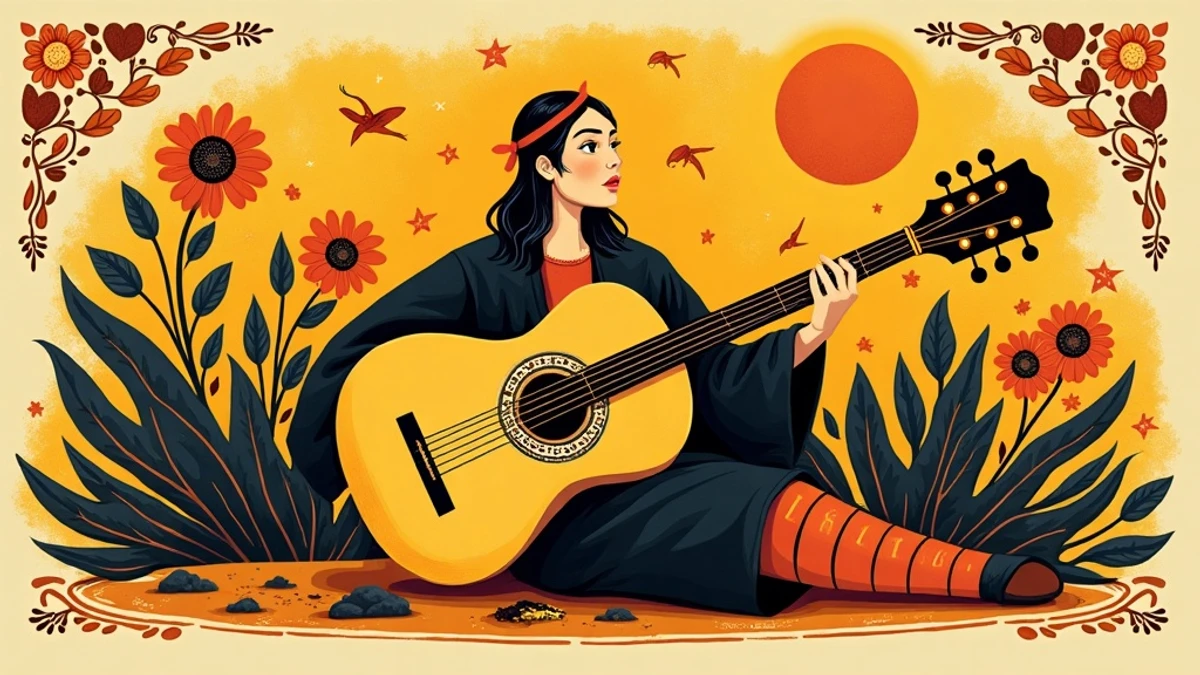
The cura is the smallest and highest-pitched member of the bağlama family. Its short neck and small body produce a bright, high-register timbre. It usually uses two or three courses of strings. It is widely played on the Teke peninsula and along the Aegean and Mediterranean coasts.
The cura is lighter and more portable than the bağlama. In zeybek, karşılama, and dance tunes it stands out with rhythmic, sharp strokes. It can be played alongside the bağlama; the cura covers the high register while the bağlama fills the middle and low ranges.
For beginners, the cura is sometimes recommended as a first instrument; its small size helps build finger habits.
Structure and parts
The cura body is made of mulberry, walnut, or mahogany. The neck is short; the narrow fret spacing makes fast passages easy to play. Pegs, nut, and bridge serve functions similar to the bağlama.
The number of strings varies by region. A two-string cura is simpler; a three-string cura offers richer harmony. String gauges are chosen according to the tuning layout.
Plectrum thickness and material affect timbre. A thin plectrum gives a bright, sharp sound; a thick plectrum produces a softer tone.
Body and resonance
The small body reinforces high frequencies. As body volume increases, the sound deepens; yet the cura retains its characteristic brightness. Quality wood selection determines long-term timbral quality.
History and regional use
The cura has been part of Aegean and Mediterranean folk music for centuries. Teke zeybeks are performed with cura; the dance's heavy, powerful steps are supported by the cura's rhythmic strokes.
Karşılama and Silifke türküs are also part of the cura repertoire. Each region prefers different styles and tunings.
Today the cura is also used with stage musicians and folk music choirs.
Tuning and modal layout
Cura tuning varies by region. La karar and Re karar layouts are common. Strings are set with a tuner or reference pitch.
When playing with bağlama, matching the same karar layout is important. Group rehearsals should use a shared tuning.
String replacement and peg maintenance follow the same principles as the bağlama.
Technique and performance
Cura technique resembles bağlama technique; however, fret distances are shorter. Right-hand plectrum strokes and left-hand finger positions are core skills.
In zeybek performance, slow tempo and emphatic strokes are essential. Dance tunes call for faster rhythm.
To learn style, listening to recordings of regional masters is essential.
Notable players and repertoire
Cura masters in the Teke and Aegean regions keep the regional repertoire alive. Field recordings have documented their interpretations.
Türküs related to the cura can be explored from the instrument page in the Saz Söz archive.
When working on repertoire, it is recommended to learn the melody at a slow tempo first, then add style.
Maintenance and selection
When choosing a cura, check for body cracks, peg stability, and string condition. Protect it from humidity and temperature changes.
Regular tuning and string care extend the instrument's life. Using a carrying case prevents impact damage.
Learning and archive connections
Patience and regular practice are essential in learning an instrument. Listening to master recordings is the most reliable way to acquire style. Technical videos help at the beginning; however, they cannot replace a live master–apprentice relationship.
Maintenance and tuning habits extend the life of the instrument. Humidity, temperature, and transport conditions are especially important for wooden and reed-bodied instruments.
Knowing the instrument's role in group work—solo or accompaniment—improves rehearsal efficiency. A shared tuning and makam decision should be made for harmony with other instruments.
Saz Söz instrument pages and guide articles support this learning process. Related türkü lists make repertoire discovery easier.
In folk music research, primary sources are sound recordings and field notes. Secondary sources are articles and books; cross-checking with primary sources should be done whenever possible.
Preserving cultural heritage is not only the responsibility of archive institutions; listeners and performers share it too. Respect for sources, correct attribution, and the living performance tradition keep the heritage alive together.
Themes and images in türkü lyrics are passed down through similar patterns across generations. These patterns evoke familiarity and belonging in the listener. New performers preserve traditional images while adding their own interpretations.
Theme analysis enriches reading türkü texts. Knowing the social context behind the lyrics adds depth to the work. Saz Söz articles present this context with original texts.
In digital archives, theme tags allow grouping türküs with similar emotional content. This feature offers practical convenience to performers preparing repertoire.
In folk music education, examining themes increases students' cultural literacy. When the origins of images of love, exile, or nature are discussed, a music lesson also becomes a culture lesson.
Conclusion
The cura represents the bright, lively voice of the bağlama family. With a broad repertoire stretching from Teke zeybeks to Aegean dance tunes, it is indispensable in folk music. Learning its structure, tuning, and style is the first step toward joining this rich tradition.
Frequently asked questions
Where should I start with the Cura Guide: Structure, History, and Use?
First read the basic concepts and section headings in Saz Söz articles. Then move on to related bard, instrument, and türkü pages to reinforce with examples. Combining listening and reading is the most effective method.
How does this topic affect folk music performance?
Knowing the concept makes it easier to choose the right repertoire, respect regional style, and build a shared language with listeners. Cultural context knowledge deepens performance alongside technical skill.
What does Saz Söz offer on this topic?
Saz Söz supports the topic with practical examples through articles, bard biographies, instrument guides, and the türkü archive. The web archive is open to search engines; the mobile app includes rehearsal and repertoire tools.
How do regional differences appear in this topic?
Every region of Anatolia interprets the same concept in its own musical language. Field recordings and regional tags make it possible to trace this diversity. Regional richness should be prioritized over a single correct interpretation.
Is it suitable for children and beginners?
Yes. The articles are written in plain language and can be used in family listening and school culture programs. Beginners can start by reading short sections and listening to related türküs.
How do I follow this topic in digital archives?
On Saz Söz, article, bard, and instrument pages are linked to one another. Related tags and relatedLinks sections show the path of discovery. Links expand as new content is added to the archive.