
Bağlama & Technique
Karar and Pitch Selection Guide
The karar concept in bağlama tunings, vocal pitch selection, transposition, and group harmony. A guide to choosing the right pitch in La, Re, and Mi karar tunings.
- karar
- pitch
- tuning
- bağlama
- transposition
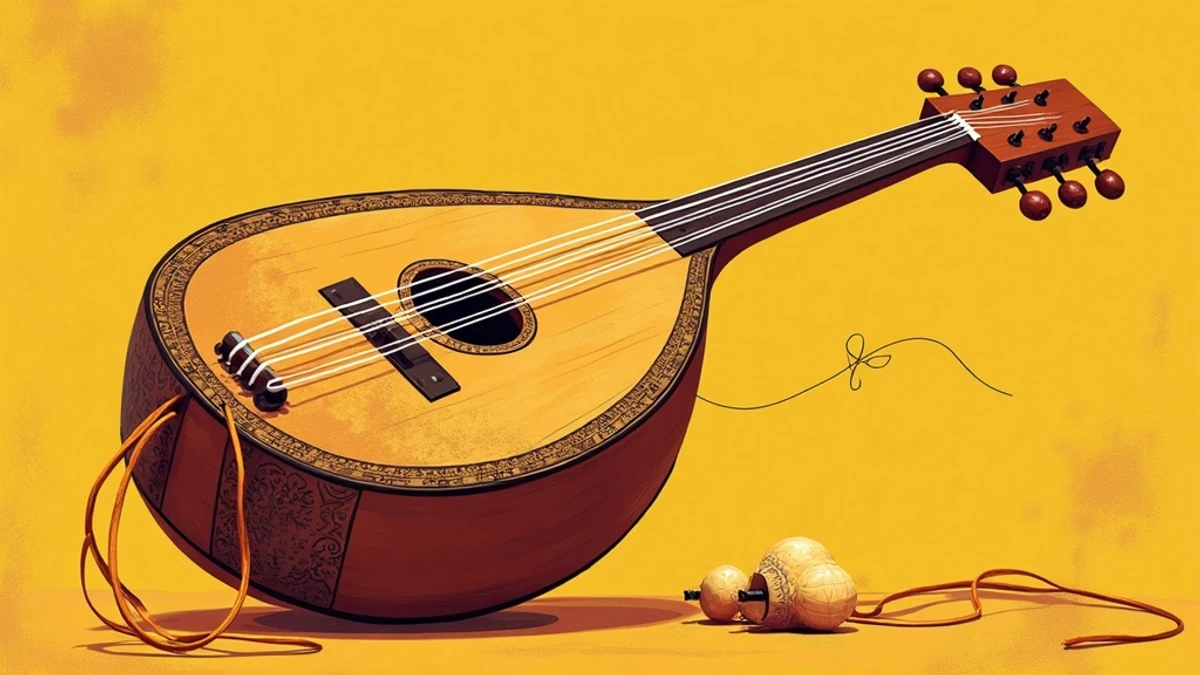
What is the karar and why does it matter?
The karar is the main pitch to which a türkü melodically and emotionally returns. On bağlama, karar corresponds to the pitch of the lower string group in a given tuning. In La karar tuning the karar is La, in Re karar it is Re, in Mi karar it is Mi. Establishing the karar correctly reflects the spirit of the türkü.
Wrong karar choice alienates the melody; the listener feels discomfort. The What Is the Karar article explains the theoretical foundation; this guide focuses on practical pitch selection.
Vocal range and pitch
Every performer's vocal range is different. Singing the türkü in a comfortable pitch for you is important. Forcing too high or too low harms both the voice and expression. Choose the pitch at which you can comfortably reach the piece's highest note.
Male and female voices may prefer different pitches; group performance requires a shared pitch agreement. Bağlama tuning can be adjusted according to the lead singer's range.
Transposing
The same türkü can be played in a different tuning to change pitch. Moving from La karar to Re karar lowers or raises the pitch. Transposition is a valid method for performance suited to your voice; traditional performance also accepts variants.
Tuning and karar relationship
The What are bağlama tunings and most-used tunings guides explain La, Re, and Mi karar options in detail. Tuning choice depends on the türkü's makam and range. Re karar is often preferred in wide-range bozlaks.
After setting up the tuning with the steps in the How to tune bağlama guide, do a pitch test. Sing a few lines to check comfort.
Bağlama and vocal balance
If bağlama sits too low, vocals come to the fore; if too high, the saz dominates. Choose a tuning compatible with the karar for balanced accompaniment. Traditional tuning preferences in classics such as Ben Giderim Sazım Sen Kal Dünyada can be learned from recordings.
Balance is adjusted differently in amplified settings; adjust by listening to yourself and the saz through monitors.
Pitch in group and duo performance
With two vocalists, ranges should not clash. One can sing the main melody, the other accompaniment or an octave below. Test pitch clashes in rehearsal.
Bağlama players must be in the same tuning. Different karars make group harmony impossible.
Recording and stage practices
Studios use a standard frequency reference; in live performance relative harmony takes priority. Do a shared tuning and pitch test before the stage.
A short pitch check after the first song is a professional habit. Temperature and humidity affect pitch.
Common mistakes
The most frequent mistake is copying someone else's recording and forcing a pitch that does not suit your voice. Traditional recordings are a reference but adaptation to your voice is needed.
Tuning without knowing the layout sets the karar wrong. Follow the order: tuning layout first, then tuning, then pitch test.
Turkish folk music tradition has been built over centuries on oral transmission and live performance. Therefore theoretical knowledge and practical experience should advance together. Every detail you hear when playing bağlama or singing türkü strengthens your aural memory and musical intuition. Listening to recordings, joining muhabbet gatherings, and getting feedback from an experienced player when possible speeds up learning. Patient, regular practice always gives more lasting results than short bursts of enthusiasm.
Different regions of Anatolia may have different variants of the same türkü; this diversity is the richness of folk music. Rather than seeking a single correct version, respecting regional differences and shaping your own performance consciously matters. Recordings by masters such as Aşık Veysel, Neşet Ertaş, and Pir Sultan Abdal are valuable references for both technical and emotional expression. Active listening to these recordings helps you grasp accent, breath, and phrase structure.
Bağlama tunings, karar, and tuning knowledge are complementary topics. In each of the La, Re, and Mi karar tunings string tension and pitch intervals differ; therefore planning tuning when choosing repertoire makes performance easier. Short-neck bağlama suits daily practice and medium-range türküs, while long-neck offers an advantage in bozlak and wide-melisma forms. Cura is a valuable complement in thin-timbre accompaniment and high-pitch pieces.
When building repertoire, consider both your technical capacity and your audience. Learning a small number of pieces in depth is more valuable than many half-memorized ones. In group performances, shared list, tuning harmony, and rehearsal discipline are keys to success. In individual practice, metronome, recording, and a regular repetition routine make progress tangible.
Muhabbet tradition and bard performance form the social dimension of folk music. A türkü is not only sound but story, belonging, and shared emotion. Preserving this tradition in the digital age is possible by sustaining live performance and learning from correct sources. Each generation adds its own interpretation to keep the tradition alive; what matters is respect, patience, and continuity.
Conclusion
Karar and pitch selection are critical for a türkü to be heard correctly and performed comfortably. Know your vocal range, choose the appropriate tuning, and transpose if needed. Shared pitch and tuning harmony is essential in group performance. You can build confident performance by combining theoretical knowledge with tuning practice.
Frequently asked questions
Should I use La karar or Re karar?
It depends on the türkü's range and your voice. La karar in narrow-range türküs, Re karar in wide-range bozlaks are often preferred. Choose the tuning in which you sing comfortably.
How do I find my pitch?
Try the pitch at which you can comfortably reach the piece's highest note. Test in several tunings. Do not strain your voice.
Is transposition against tradition?
No. Traditional performance has tuning variants by region and performer. Transposition suited to your voice is accepted.
How is group pitch determined?
The lead singer's comfortable pitch is the reference; bağlamas are tuned accordingly. Agreement is reached in rehearsal.
Are karar and pitch the same thing?
They are related but not the same. Karar is the main pitch in the bağlama tuning; pitch is the vocal height at which the vocalist sings the piece. The two must be in harmony.
Does microphone change pitch selection?
Yes. Microphone and monitor settings affect perception. Adjust balance with the sound technician in stage rehearsal.