
Repertoire
How to Prepare Repertoire?
Methods for building bağlama and vocal repertoire, piece selection, and a regular practice plan. A guide to preparing repertoire from beginner to advanced level.
- repertoire
- practice
- türkü
- learning
- plan
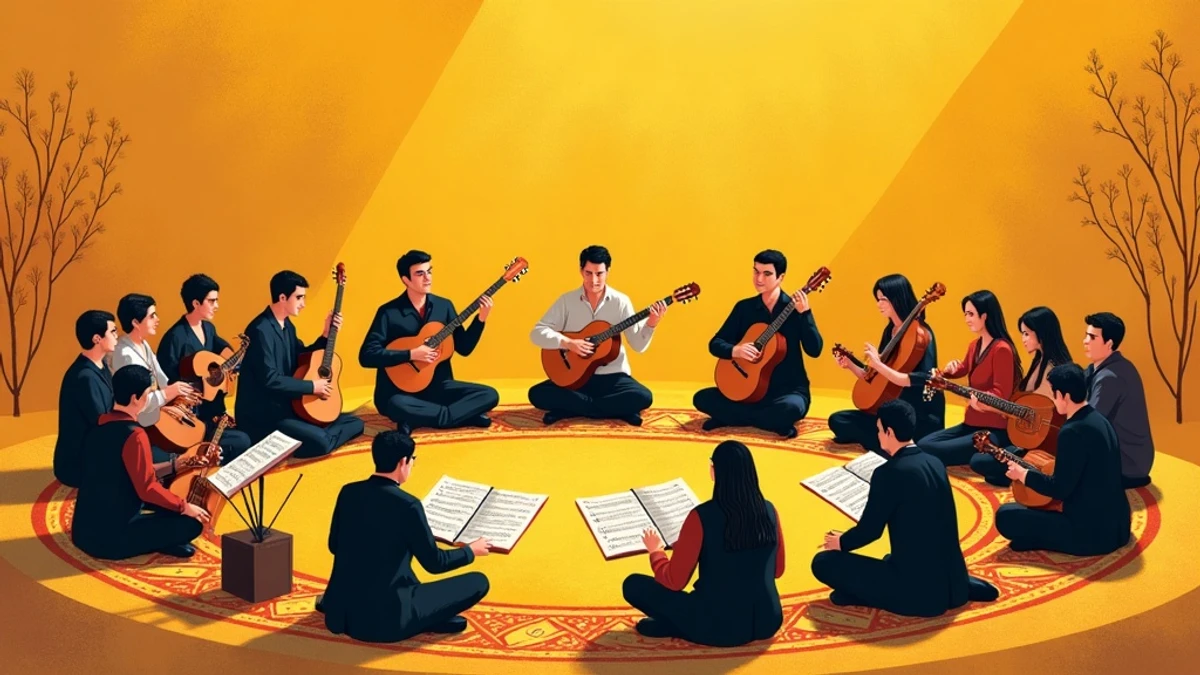
Why is repertoire important?
Repertoire is the whole of pieces a musician can perform. A strong repertoire for bağlama or voice gives confidence when you go on stage or play with friends. Building repertoire in a planned way rather than learning pieces at random speeds technical development and shapes your musical identity. Good repertoire includes variety: different makams, tempos, and forms. Repeating only a few türküler you already know limits your progress.
Professional musicians also constantly update their repertoire. They add new pieces, refresh old ones, and prepare set lists suited to the stage. The same discipline applies to amateur players. Whether your goal is playing at home, accompanying at weddings, or recording, repertoire should be planned toward that goal.
Building a beginner repertoire
For beginners a small repertoire of five to ten pieces is ideal. Choose pieces by difficulty: a distribution such as two easy, two medium, one challenging piece works well. Easy pieces build confidence; a challenging piece develops you. Do not choose too many pieces from the same makam; different karar pitches and forms build experience.
Piece selection criteria
Prioritize pieces you love; motivation is the fuel of learning. But do not choose only what feels easy; slightly challenging pieces expand your technical limits. Pieces close to your regional repertoire are in higher demand in your performance setting. Pieces with notation make learning easier; learning by ear develops ear training. Balance both.
Practice plan and repetition
Set weekly practice time for each piece. When learning a new piece, first settle the melody at slow tempo; then speed up. Each day repeat a few pieces from old repertoire to prevent forgetting. Keeping a practice notebook is useful: note which piece you worked on when and where you got stuck. Regular short practice sessions are more effective than long marathons with big gaps.
Recording and feedback
Recording yourself and listening provides objective feedback. Mistakes you do not hear while playing live stand out on recording. A phone recording is enough; perfect studio conditions are not required. Comparing recordings over time shows your progress. Asking a trusted master or friend for comment is also valuable.
Stage and performance repertoire
If you will perform on stage, arrange repertoire by setting and duration. For a one-hour program ten to fifteen pieces may be enough; leave room for conversation and breath between them. The opening piece should catch the listener; the closing piece should be memorable. Pieces that change tempo in the middle keep the program lively. Never put on stage a piece you are not fully ready for.
Group work and accompaniment
If you play in a group, set shared repertoire. Make a list of pieces everyone knows. Vocalist and bağlamacı should use the same karar and tuning. Clarify transitions and entries and exits in rehearsal. Group repertoire requires different planning from individual repertoire.
Keeping repertoire alive
Revisit pieces you have learned from time to time to prevent rust. When adding new pieces you do not have to drop old ones; as repertoire grows, categorize: active, archive, learning. Update repertoire by season and event; different pieces are requested at holidays and weddings.
Repertoire management with digital tools
Apps such as Saz Söz help you organize repertoire digitally; favorite türküler, notation, and lyrics are gathered in one place. Create playlists and tag by makam or tuning. Set weekly goals: two new pieces this week, repeat last week's pieces, and so on. A digital notebook or simple spreadsheet also works.
When preparing repertoire it is tempting to aim only at popular pieces, but regional and lesser-known türküler differentiate you. Diving into a region's deep repertoire and learning five to ten pieces is more valuable than knowing fifty superficially.
Repertoire variety
Good repertoire should not consist only of fast türküler; it should also include bozlak, uzun hava, deyiş, and dance tunes. Each form requires different technique and feeling; variety makes you a more balanced musician. Create separate sub-lists for weddings, funerals, holidays, and friendly gatherings.
Keeping a repertoire notebook
In your repertoire notebook note each piece's makam, tuning, and form; over time this becomes a valuable archive. Include tuning and tuning knowledge in repertoire planning; noting which karar each piece is played in shortens rehearsal time. Pulling a forgotten piece from the archive is faster than relearning from scratch.
Long-term repertoire plan
Draw a six-month repertoire plan: set phases such as basic pieces in the first two months, form variety in the next two, stage preparation in the last two. In the long term thirty to fifty solid pieces offer sufficient repertoire for most settings. Choose pieces suited to your voice and interests rather than copying others' repertoire. Authenticity offers a more sustainable musical identity than popularity.
Sharing repertoire within a community is valuable; learning pieces from one another increases motivation. But internalize each piece in your own style; develop interpretation rather than exact copy. Reviewing and updating repertoire once a year keeps your musical journey alive.
Repertoire and technical development
Repertoire choice also shapes technical development. Learning only easy pieces slows progress; slightly challenging pieces expand your limits. Each new piece may require a different technical skill: fast transitions, wide intervals, different makams. Balance repertoire and technical work; half an hour repertoire and half an hour technique daily can be an ideal split.
Bringing back forgotten pieces
Pieces you have not played for a long time rust; move them from archive to active list and do short repetition. If you have old practice notes, look at them; you will remember where you got stuck. Relearning a forgotten piece is faster than learning from zero; the melody partly remains in memory.
Special days and setting repertoire
Weddings, holidays, funerals, and friendly gatherings require different repertoire. Cheerful rhythmic türküler at weddings, laments and sad pieces at funerals are preferred. Knowing this distinction is the basis of professional performance. Choosing pieces suited to the setting is an expression of respect for listeners. Create separate sub-lists for special days.
Repertoire and bağlama tuning
Write in your repertoire notebook which karar tuning each piece is played in. When switching between La karar, Re karar, and Mi karar, account for tuning time. In group rehearsal all musicians should use the same tuning. Read the articles on karar pitch and bağlama tunings to strengthen repertoire planning. Managing large repertoire without tuning knowledge leads to confusion. Confirm shared tuning and tuning before rehearsal.
Annual repertoire review
Review your repertoire once a year. Move pieces that no longer stay on the active list to archive; bring back forgotten beautiful pieces. Evaluate how many new pieces you learned and form variety. Update your goals: bozlak, deyiş, or regional repertoire next year? This review keeps your musical journey alive.
Repertoire motivation
Repertoire work requires long-term motivation. Prioritize pieces you love; break challenging pieces into small goals. Group work or regular performance opportunities increase motivation. Keeping a practice notebook makes progress tangible; seeing that you can play comfortably today a piece you learned a month ago is rewarding. Repertoire preparation should be sustained with enjoyment; commitment to music is the strongest source of motivation.
Conclusion
Repertoire preparation is one of the most strategic aspects of bağlama and vocal learning. Disciplined repertoire work is a shared habit of the most talented musicians; practicing even briefly every day makes learning dozens of new pieces in a year possible. Repertoire preparation should be sustained with enjoyment; commitment to music is the strongest source of motivation. Well-organized repertoire lets you go on stage with confidence. Each new piece you learn prepares ground for the next. Choosing pieces from ozan recordings and diving deep into regional repertoire strengthens your musical identity. Karar pitch and bağlama tuning knowledge completes repertoire planning; noting each piece's tuning shortens rehearsal time. Digital tools and practice notebook organization ease the process. Starting with small steps and progressing regularly makes a repertoire of thirty to fifty solid pieces reachable. Planned piece selection, regular practice, and variety build a strong musical identity in the long term. Starting with a small manageable list and expanding gradually is the healthiest path. Digital tools and repertoire notebook organization help; recording and feedback raise quality. Separate sub-lists for stage, group, and home settings is a professional approach. Include karar pitch and bağlama tuning knowledge in repertoire planning. Regional and lesser-known türküler differentiate you more than aiming only at popular pieces. Draw six-month plans with phases for basic pieces, form variety, and stage preparation. Sharing repertoire within community is valuable. Repertoire preparation never ends; the journey itself is the finest part of your musical development. With disciplined and enjoyable work, thirty to fifty solid pieces is an achievable goal. Small steps and regular progress are the secret of large repertoires.
Frequently asked questions
How many pieces should beginners start with?
A small repertoire of five to ten pieces is ideal. A distribution of two easy, two medium, one challenging piece works well. Do not choose too many pieces from the same makam; different karar pitches and forms build experience. Quality matters more than quantity.
How much daily time is enough for repertoire practice?
Thirty minutes used with discipline grows repertoire. Regular short sessions are more effective than long marathons with gaps. Start new pieces at slow tempo; each day repeat a few pieces from old repertoire.
What should I consider when choosing pieces?
Prioritize pieces you love; motivation matters. Pieces close to your regional repertoire are in higher demand in your setting. Balance notation and learning by ear. Slightly challenging pieces expand your technical limits.
How is stage repertoire prepared?
Arrange by setting and duration. Opening piece should catch the listener; closing should be memorable. Do not put on stage a piece you are not fully ready for. Pieces that change tempo in the middle keep the program lively.
How can I organize repertoire?
Create active, archive, and learning categories. Note each piece's makam, tuning, and form. Use apps such as Saz Söz or a digital notebook. Make sub-lists for weddings, holidays, and similar settings.
How is repertoire planned in group work?
Set shared repertoire; make a list everyone knows. Vocalist and bağlamacı should use the same karar and tuning. Clarify transitions and entries in rehearsal. Cohesion takes priority over individual skill. Sharing pieces among group members increases motivation; internalize each in your own style.
How do I manage repertoire digitally?
Apps such as Saz Söz gather favorite türküler, notation, and lyrics in one place. Create playlists and tag by makam or tuning. Digital notebook or spreadsheet also works; regular updating matters. Label recordings by piece name to compare progress month by month.
Related content
- How to tune bağlama
- What is karar pitch?
- Az Giderim Uz Giderim Hacı Bey
- Ben Giderim Sazım Sen Kal Dünyada
- Neşet Ertaş
- Short-neck bağlama
- Guide to Preparing Repertoire for Group Performances
- Techniques for Memorizing Türkü
- The Traveling Ozan Tradition in Anatolia
- Aşık Veysel
- Pir Sultan Abdal
- Uzun Sap Bağlama
- Cura
- Anlatmam Derdimi Dertsiz İnsana