
Turkish Folk Music
What Is Bozlak?
Characteristics of the bozlak genre in Turkish folk music, regional differences, and famous examples. Discover the distinction between bozlak and türkü and how it is performed.
- bozlak
- türkü
- Central Anatolia
- uzun hava
- tradition
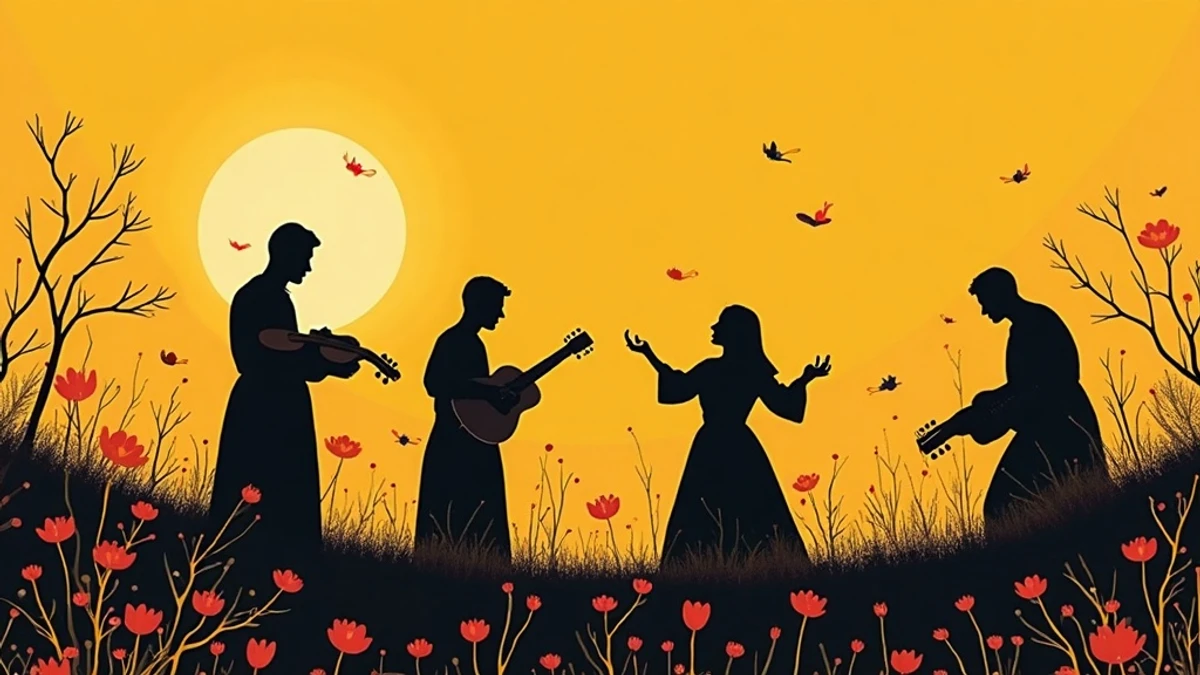
Definition of the bozlak genre
Bozlak is a free-rhythm, wide-interval uzun hava form widespread especially in Central Anatolia and its surroundings in Turkish folk music. Unlike türkü, it does not carry a distinct usul or regular beat structure; breath is long, melody wide, and emotional intensity high. The person singing or playing bozlak shapes the melody according to their own breath and interpretive power. This freedom makes bozlak both difficult to learn and very striking when performed. Bozlak usually carry themes of separation, gurbet, love of nature, and mystical imagery; lyrics are deep and images powerful.
The word bozlak is associated with roots meaning altered or set free. Musically this expresses that melody is not confined to a rigid frame. In bozlak the listener hears the depth of feeling rather than the flow of time. Bozlak performances by masters such as Neşet Ertaş contributed greatly to this genre being known across Turkey. Listening to bozlak requires patience and attention; it may feel distant to hurried ears. Yet those who once learn the language of this genre appreciate its unique expressive power.
Differences between bozlak and türkü
Türkü generally fit a specific usul or rhythmic pattern; they can be danced to or sung with accompaniment. In bozlak there is no usul or it is very loose. Melodic range is wider than in türkü; transitions to high and low registers can be sudden and dramatic. In türkü the refrain repeats clearly; in bozlak repetition structure is more flexible or absent. Ornamentation and pull-release techniques in delivery are more prominent in bozlak. These differences require bozlak and türkü to be kept separate in repertoire lists.
Place within the uzun hava family
Bozlak is one of the important members of the uzun hava family. It is neighbor to forms such as gazel, gürümbü, and barak; all are free-rhythm forms. Each has different melodic tendency and regional distribution. Bozlak has a strong tradition especially around Kırşehir, Nevşehir, Yozgat, and Kayseri. Knowing uzun hava genres takes the folk music listener beyond superficial listening. Carefully listening to pieces labeled bozlak in recordings and following the melodic curve is the best way to learn genre distinction.
Famous bozlak and performers
Neşet Ertaş's bozlak repertoire is a living witness to the genre. Works such as Nenni Be Nenni and Yarim İçin reached wide audiences through his interpretation. Some of Aşık Veysel's pieces are also performed in bozlak character. Karacaoğlan's poems were later set and sung in bozlak form. Each performer may perform the same bozlak with different duration and ornamentation; this is natural to the nature of the genre. Live performance recordings reflect bozlak's true spirit better than fixed-tempo recordings.
Playing bozlak on bağlama
When playing bozlak, the bağlama player must listen to the vocalist's breath and ornaments. There is no predetermined rhythm; melody follows the vocal. Re karar tuning is often used in bozlak; wide intervals are expressed more comfortably in this tuning. Slow and expressive plectrum strokes are preferred; fast rhythmic figures do not suit bozlak spirit. Learning to play bozlak on bağlama should start with listening. Listen to the vocal recording many times and memorize the melodic line, then accompany on the instrument; that is the correct order.
Tips for listening to and learning bozlak
For those new to bozlak listening, a quiet environment and quality headphones are recommended. On first listen follow the lyrics; images and story may be understood before melody. On second listen focus on the melodic curve; where does it rise, where does it fall, where does it pause? On third listen notice the performer's ornaments and breath use. This layered listening habit speeds understanding of bozlak and other uzun hava genres. Hearing bozlak at live music events offers a different and unforgettable experience from recordings.
Bozlak geography and subtypes
The bozlak tradition spreads from the Kırşehir-Nevşehir line to Yozgat and Kayseri surroundings, even to neighboring provinces. Each region's bozlak differs in melodic tendency, dialect, and ornamentation habits. Nevşehir bozlak and Kırşehir bozlak are local variants of the same form; listening to recordings side by side makes these differences clear. Some bozlak are semi-free, others adhere more tightly to a specific makam line.
Breath control is critically important in bozlak singers; long melodic phrases are delivered in one breath or with controlled breath divisions. As the listener follows this breath journey, they feel emotion intensify. Ornamentation techniques in bozlak are used without exaggeration; every pull-release carries meaning. Young vocalists learning bozlak should first work short sections piece by piece, then assemble the full form.
Bozlak and contemporary interpretations
Contemporary artists preserve bozlak tradition while offering new interpretations; the difference between studio recording and live performance is especially clear in bozlak. In live recordings breath, pause, and ornamentation are free; in studio this freedom is sometimes restricted. As listeners, evaluate both sources. For bağlama players learning bozlak, patience is the most important virtue; this form does not give quick results but profoundly increases your performance power when learned.
Bozlak lyrics and imagery
Bozlak lyrics frequently feature separation, gurbet, nature, and mystical images. When Karacaoğlan's verses are sung in bozlak form, these images deepen further. Understanding lyrics makes following melody easier; layers of meaning enrich performance. Bozlak lyrics contain archaic Turkish and regional expressions; researching with dictionaries and sources opens the text. When lyrics and melody are heard together, bozlak's full power is felt.
Bozlak and makam relationship
Bozlak generally carry specific makam tendencies; bozlak weighted toward Hüseyni, Uşşak, or Nikriz can be heard. Makam name is not always stated but the ear senses makam. Karar pitch is the melodic turning point in bozlak; karar feeling is strongly heard in wide-interval transitions. Makam knowledge deepens bozlak analysis; however, ear training takes priority.
Systematic entry into bozlak repertoire
To enter bozlak repertoire, first listen to Neşet Ertaş recordings; then move to regional collections. Learning each bozlak's story and lyrical context enriches performance. TRT archive and regional collections are rich sources for bozlak recordings. Comparing recordings of the same bozlak from different years shows the genre's living nature. Musicians who learn bozlak form have an advantage when moving to other uzun hava genres.
Bozlak is a stance against hurried learning culture; listen and play with patience. Once free rhythm and wide breath use are internalized, forms such as gazel and barak become easier to understand. Bozlak teaches patience and depth in Turkish folk music education.
Bozlak performance techniques
In bozlak singing, breath control is the most critical skill for the vocalist. Long melodic phrases are delivered in one breath or with controlled divisions. Ornamentation techniques are used without exaggeration; every pull-release carries meaning. The bağlama player must listen to the vocalist's breath; there is no predetermined rhythm. Plectrum strokes should be slow and expressive. Rushing when playing bozlak causes you to miss the form's subtleties.
Analyzing bozlak recordings
Comparing recordings of the same bozlak from different years shows the genre's living nature. Listen to Neşet Ertaş's live and studio recordings side by side; note breath and ornamentation differences. TRT archive and regional collections are rich sources. Recording analysis is an indispensable step in bozlak learning.
Bozlak and other uzun hava genres
Forms such as gazel, gürümbü, and barak are neighbors of bozlak; all belong to the free-rhythm uzun hava family. Each has different melodic tendency and regional distribution. Musicians who learn bozlak have an advantage when moving to these forms. To learn genre distinction, listen to examples from each form and compare melodic curves. Uzun hava genres form the deepest layer of folk music.
For vocalists learning bozlak
Singing bozlak requires breath control and patience. Young vocalists should first work short sections piece by piece; they should not move to long phrases before assembling the full form. Listen to Neşet Ertaş recordings many times to observe breath and ornamentation techniques. Use ornaments without exaggeration; every pull-release should carry meaning. Bozlak form is a conscious stance against hurried learning culture.
When Karacaoğlan poems are sung in bozlak form, images deepen. Understanding lyrics makes following melody easier. Hearing bozlak in live performances offers a different and unforgettable experience from recordings; breath and pause are free.
Conclusion
Bozlak is one of the deepest and most personal forms of expression in Turkish folk music. Neşet Ertaş recordings such as Nenni Be Nenni and Yarim İçin are excellent starting points for entering the genre. Patient listening and practice are the keys to this form. Layered listening habit — first lyrics, then melody, then ornamentation — speeds bozlak learning. Free rhythm, wide melodic range, and emotional intensity make this genre unique. Unlike türkü, bozlak with loose usul and refrain structure relies on the performer's breath and ornamentation power. Recordings by masters such as Neşet Ertaş and Aşık Veysel are ideal starting points for entering the genre. In Central Anatolian geography there is a strong tradition around Kırşehir, Nevşehir, and Yozgat. For bağlama players, following the vocal and playing in Re karar tuning are basic skills. Recording analysis and layered listening habit speed bozlak learning. Bozlak experience gives advantage when moving to other uzun hava genres such as gazel and barak. Listening to bozlak requires patience; but this patience is rewarded. Bozlak, one of the most authentic and touching forms of Turkish folk music, is an important indicator of musical maturity. Learning this form takes time; progress by deepening at each step.
Frequently asked questions
What is the basic difference between bozlak and türkü?
Türkü fit a specific usul and rhythmic pattern; in bozlak there is no usul or it is very loose. In bozlak melodic range is wider, breath longer, and ornamentation techniques more prominent. In türkü the refrain repeats clearly; in bozlak repetition structure is flexible.
In which regions is bozlak widespread?
Bozlak is especially strong in Central Anatolia: Kırşehir, Nevşehir, Yozgat, Kayseri surroundings. Neşet Ertaş is the best-known representative of this tradition. Regional variants differ in melodic tendency and dialect.
How is bozlak played on bağlama?
Listen to the vocalist's breath and ornaments; there is no predetermined rhythm. Re karar tuning is often used. Plectrum strokes should be slow and expressive. First listen to the vocal recording and memorize the melodic line, then accompany on the instrument.
Why is bozlak difficult to learn?
Free rhythm and wide melodic range require ear training and breath control. There is no fixed tempo; each performer performs with different duration and ornamentation. Patient listening and piece-by-piece practice are essential. Hurried learning does not work in this form.
Which bozlak are suitable for beginners?
Neşet Ertaş recordings such as Nenni Be Nenni or Yarim İçin are accessible starting points. Lyrics are understandable, melodic line followable. Prefer live performance recordings; studio edits sometimes cut natural breath.
Is there a relationship between bozlak and deyiş?
They are different forms; bozlak belongs to Central Anatolian uzun hava tradition, deyiş to Alevi-Bektaşi ozanlık tradition. Both are free-rhythm and text-heavy; however, cultural context and poem structure differ. Listening to both broadens folk music horizons. Breath and melodic range are more prominent in bozlak; in deyiş twelve-syllable meter and mystical images stand out.