
Turkish Folk Music
What Is a Deyiş?
Features of the deyiş form in the Alevi–Bektashi bard tradition, poetic structure, and its place with saz accompaniment. Understand the key differences between deyiş and türkü.
- deyiş
- bard
- Alevi
- poetry
- saz
The meaning of deyiş
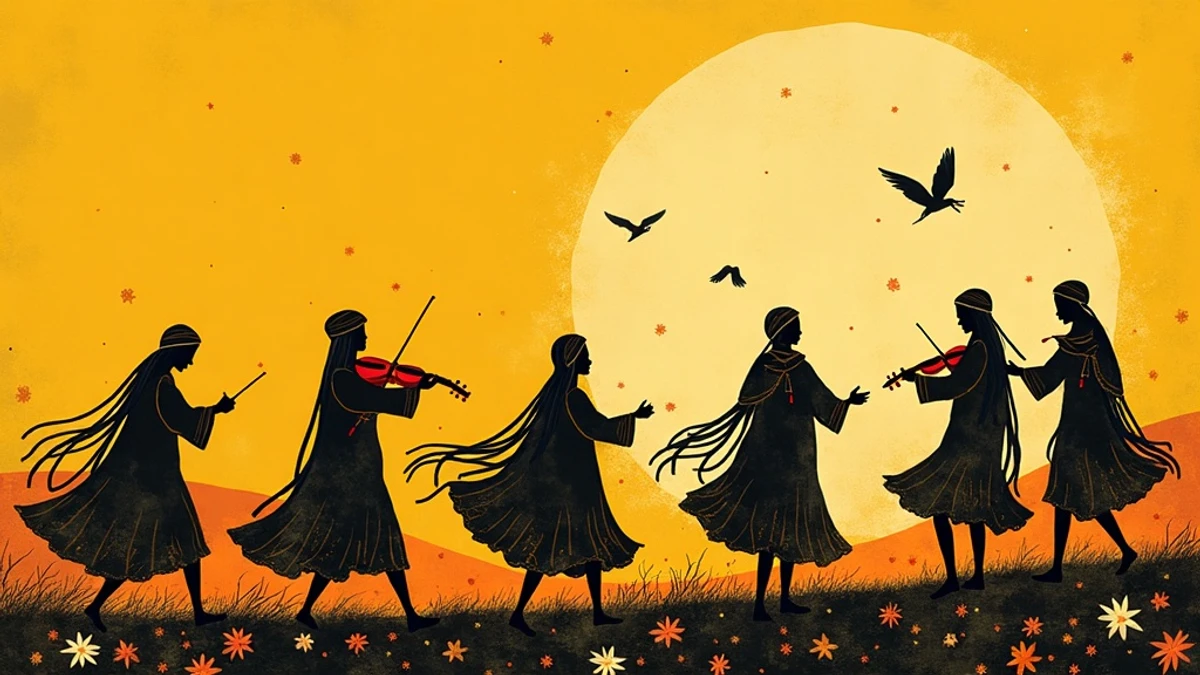
Deyiş is the musical form of poetic texts sung or recited in the Alevi–Bektashi bard tradition, usually written in twelve-syllable meter. The word means to speak or to express. Deyişs carry mystical, social, and moral messages; love of Truth (Hak), love of humanity, and the search for justice are frequent themes. Unlike the türkü, deyiş prioritizes the word; melody serves the text. To understand a deyiş, one must listen to both music and poetry together.
Deyişs are performed at cem ceremonies, muhabbet gatherings, and bard meetings. In deyiş sung with saz accompaniment, bağlama or cura take the lead. The bard both plays and sings; this dual skill is fundamental to the tradition. The deyiş repertoire is passed down orally and through live performance from generation to generation. Figures such as Pir Sultan Abdal, Kaygusuz Abdal, and Hatayi are touchstones of the deyiş tradition.
Poetic structure of deyiş
Deyişs are generally written in twelve-syllable meter, one of the most common patterns in Anatolian Turkish poetry. Rhyme schemes vary; some deyişs use free rhyme. Repetition and refrain between lines are common, which also aligns with musical repetition. Everyday speech and mystical terminology intertwine in the lyrics. The listener hears both everyday and deeper layers of meaning.
How deyiş differs from ilahi and nefes
Deyiş is a form distinct from ilahi and nefes, though all three belong to the Alevi–Bektashi musical repertoire. Ilahi are more often communal, refrain-based, and rhythmic structures. Nefes are usually short, concise mystical expressions. Deyiş carries longer, narrative, and philosophical content. All three forms are performed at different moments in the cem ceremony. Not confusing the repertoires is important for using the right form in the right context.
Famous deyişs and bards
The deyişs of Pir Sultan Abdal are still widely sung and played today. Themes of justice, rebellion, and love of Truth form the backbone of his poetry. Some works of Aşık Veysel are also interpreted in a deyiş character, bridging mystical and folk bard traditions. Contemporary bards continue the tradition while addressing modern themes. Bard albums, cem recordings, and archive collections are rich sources for listening to deyiş.
Playing deyiş on bağlama
When playing deyiş, priority must be given to the word. The melody is usually simple and repetitive; showy saz technique is not foregrounded. Matching the bard's breath and emphasis is essential. La or Re karar layouts are common; a slower, more measured tempo is preferred than in türkü. The bağlama player accompanying deyiş should support the word, not draw the listener away from it.
Learning and understanding deyiş
Begin learning deyiş by reading the lyrics; follow the words with the music. Look up words you do not understand in dictionaries or sources; archaic Turkish and words of Arabic–Persian origin are common. Listen to live muhabbet or cem recordings to grasp performance context. To see deyiş only as a musical piece is to miss its depth. A respectful and curious approach opens the door to this rich tradition.
Reading deyiş lyrics
Words such as Hak, Muhammad, Ali, Kerbela, lokma, and can appear frequently in deyiş lyrics; learning their symbolic meanings opens the text. Pir Sultan Abdal's rebellious and justice-seeking voice and Kaygusuz Abdal's plain, direct language offer different deyiş characters. Dictionaries and reference books explain these images; lines unclear on first reading become clearer over time.
In twelve-syllable meter, syllable count is observed; in musical performance some syllables may be lengthened or shortened. This flexibility shows the organic bond between poetry and music. Five to ten well-known deyişs are enough to start: pieces such as Kul Olayım Kalem Tutan Ellere and Gel Ey Âşık Bu Bir Esrarı Haktır are both accessible and instructive.
Cultural importance of deyiş
Deyişs are instruments of identity and solidarity in Alevi–Bektashi communities; layers of meaning are preserved as words pass from generation to generation. For those learning from outside, these texts open a door; listeners from different beliefs and cultures can also find universal themes of love and justice. Deyiş researchers use both musicological and literary sources together.
Deyiş archives and sources
When exploring deyiş archives, compare interpretations from different regions; the same text may have been sung to different melodies. This diversity proves the living tradition of deyiş. Listen to how deyişs are sung in cem recordings; studio albums sometimes cut natural breath. TRT archive and independent collections are rich sources.
Deyiş and bağlama education
Including deyiş repertoire in bağlama education introduces students to the spiritual dimension of folk music. Repertoire listening should be part of the lesson as much as technical work. One who sings or plays deyiş carries a different responsibility within the community; knowing the weight of the word matures performance. The right order is to learn each deyiş from the word first, then combine it with saz.
The deyiş tradition carries the spiritual and philosophical dimension of Turkish folk music. Though not heard as widely as türkü, it is one of the pillars of the repertoire. Entering deyiş repertoire through figures such as Pir Sultan Abdal and Aşık Veysel is both accessible and instructive.
Historical context of deyiş
The deyiş tradition arose at the intersection of Anatolian mystical and folk poetry. From the thirteenth century onward, the utterances of Yunus Emre, Hacı Bektaş Veli, and later bards formed this line. In the sixteenth century Pir Sultan Abdal added a new dimension to the deyiş tradition with themes of justice and rebellion. Deyişs pass from generation to generation through oral transmission; written records increased in later periods. Bards of each era continue the tradition by adapting it to their own time.
Deyiş and the cem ceremony
Deyişs are performed at specific stages of the cem ceremony. They may be sung before or after semah, within the görgü framework, or in the muhabbet section. Choosing pieces appropriate to the ceremony's solemnity is important. The bard who sings deyiş contributes to the community's spiritual atmosphere. By listening to cem recordings you can grasp the place of deyiş within the ceremony.
Building a deyiş listening list
Start with five to ten well-known deyişs: Kul Olayım Kalem Tutan Ellere, Gel Ey Âşık Bu Bir Esrarı Haktır, and Pir Sultan Abdal's justice-themed deyişs. Listen to each deyiş from a different bard; the same text may have been sung to different melodies. Listen while reading the lyrics; layers of meaning enrich the music. Add one new deyiş per week to expand the list. A habit of listening to deyiş matures musical taste.
Deyiş research and sources
Academic studies on deyiş, bard biographies, and mystical literature sources offer in-depth knowledge. TRT archive, independent bard albums, and cem recordings provide listening material. Dictionary and etymology sources explain archaic words. Deyiş researchers use both musicological and literary disciplines together. A single discipline is not enough; a holistic approach is required.
Learning deyiş is a long journey; do not rush and deepen the meaning of the word at each step. Including deyiş repertoire in bağlama education introduces students to the spiritual dimension of folk music.
Deyiş and the bard tradition
Deyiş is the deepest form of expression in the Alevi–Bektashi branch of the bard tradition. Pir Sultan Abdal, Kaygusuz Abdal, and Hatayi are touchstones of this tradition. The bard both plays and sings; deyiş performance is the union of these two skills. Some works of Aşık Veysel are also interpreted in a deyiş character, bridging mystical and folk bard traditions. Listening to deyiş is enriched by bard biographies and historical context.
Contemporary bards continue the tradition while addressing modern themes. Cem recordings, muhabbet gatherings, and bard albums are living sources of the deyiş repertoire. Deyiş researchers use both musicological and literary disciplines together. This holistic approach enables full understanding of deyiş.
Conclusion
Deyiş is one of the deepest and most meaningful forms of the Alevi–Bektashi bard tradition. Entering the repertoire through figures such as Pir Sultan Abdal and Aşık Veysel is both accessible and instructive. A respectful and curious approach opens the door. Read together with articles on the bard tradition and semah to clarify deyiş's place on the cultural map. The article on the muhabbet tradition is also part of this holistic picture; learning all three traditions together is recommended. Learning deyiş can take years; deepening the meaning of the word at each step is the real goal. This patient journey matures musical taste in a profound way. Its word-first structure, twelve-syllable meter, and mystical content make this form unique. Figures such as Pir Sultan Abdal, Kaygusuz Abdal, and Aşık Veysel form the foundation of the deyiş repertoire. Historical context, its place in the cem ceremony, and distinction from ilahi and nefes are part of understanding deyiş. When playing deyiş on bağlama, serving the word, avoiding showiness, and matching the bard's breath are essential. Learning deyiş is a long journey; reading lyrics, researching layers of meaning, and listening to live recordings are part of this path. Building a listening list and hearing the same deyiş from different bards accelerates learning. Read together with the semah and muhabbet traditions to clarify deyiş's cultural context. Making deyiş listening a habit matures musical taste and broadens cultural horizons. A respectful and curious approach is the door to the deepest layers of folk music.
Frequently asked questions
What is the difference between deyiş and türkü?
Deyiş prioritizes the word; melody serves the text. In türkü, melody and rhythm are more prominent; danceable or accompanied forms are common. Deyişs belong to the Alevi–Bektashi tradition and carry mystical, social, and moral messages. Twelve-syllable meter and symbolic images distinguish deyiş. Türküs are more widespread geographically and include various forms. Listening to both broadens one's folk music horizon.
What should I do to understand deyiş lyrics?
Start by reading the lyrics; look up words you do not understand in dictionaries. Learn the meanings of symbolic words such as Hak, Ali, and Kerbela. Reading Pir Sultan Abdal's poetry is a good entry point. Follow the words with the music.
How is deyiş played on bağlama?
Priority must be given to the word; the melody is simple and repetitive. Match the bard's breath and emphasis. La or Re karar layouts are common. Showy saz technique is not foregrounded; support the word, do not draw the listener away from it.
How does deyiş differ from ilahi and nefes?
Ilahi are communal, refrain-based, and rhythmic structures. Nefes are short, concise mystical expressions. Deyiş carries longer, narrative, and philosophical content. All three forms are performed at different moments in the cem ceremony.
Which deyişs are suitable for beginners?
Kul Olayım Kalem Tutan Ellere and Gel Ey Âşık Bu Bir Esrarı Haktır are accessible starting pieces. Pir Sultan Abdal's deyişs are instructive. Listen to live cem or muhabbet recordings.
Where is deyiş performed?
Deyiş is performed at cem ceremonies, muhabbet gatherings, and bard meetings. Live performance fully reflects the spirit of deyiş; written records are important but oral transmission is the heart of the tradition. Deyişs may also be sung during semah; different forms are performed at different stages of the ceremony. As a bağlama player accompanying deyiş, serving the word is essential.
How long does it take to learn deyiş?
Learning deyiş is a long journey; do not rush. In the first stage, reading and listening to five to ten well-known deyiş lyrics is enough. The right order is to learn each deyiş from the word first, then combine it with saz. Deepening layers of meaning can take years; this is normal and part of learning.