Tradition and Culture
What Is Semah?
The meaning of semah in the Alevi-Bektaşi tradition, its musical accompaniment, and community ritual. Learn the place of semah türküleri with bağlama and their cultural context.
- semah
- Alevi
- Bektaşi
- ritual
- community
Cultural roots of semah
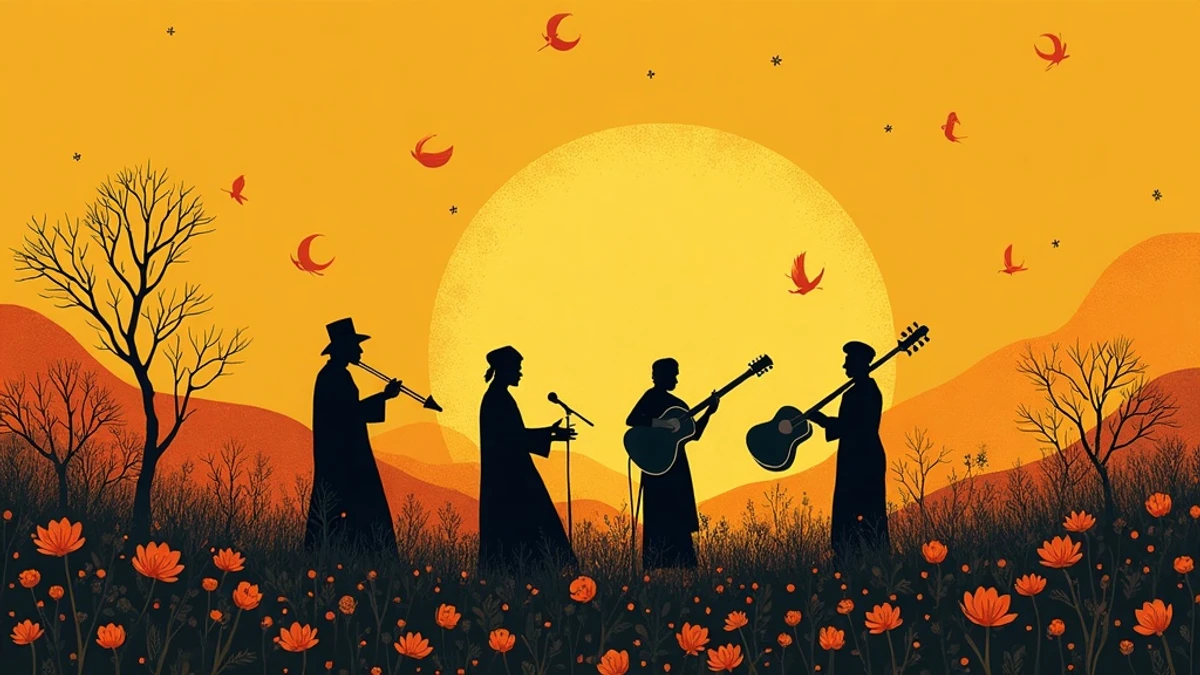
Semah is a sacred turning dance performed with music, an inseparable part of cem ceremonies in the Alevi-Bektaşi tradition. The word derives from the verb meaning to turn or revolve. Semah symbolizes the individual's union with the universe and community; foot movements, hand gestures, and body posture are expressed in a symbolic language developed over centuries. Semah is not only a display; it is the concrete form of faith, unity, and spiritual seeking. The congregation gathered in the cem evi lives this sacred practice with deyiş and semah türküleri sung to saz accompaniment.
The roots of semah extend to Anatolia's deep tasavvuf tradition. The poetry of Pir Sultan Abdal, Hacı Bektaş Veli, and later ozans forms the foundation of semah türküleri. Each semah type has its own name and meaning: forms such as Kırklar semahı, Üçler semahı, and Garip semahı address different spiritual themes. Someone watching semah from outside sees only turning bodies; someone living it from within is part of a spiritual journey.
Semah music and instruments
In semah music bağlama leads among saz family instruments. Rhythm is generally steady and flowing; it guides the semahçı's steps. Deyiş and semah türküleri form an important part of the repertoire performed by the on iki hizmet saz. Melodies are usually mid-tempo and repetitive; this makes sustaining the turning movement easier. The role of bağlama here is not only accompaniment; it is the sonic backbone carrying the community's spiritual atmosphere.
Semah türküleri and deyişler
There is a close relationship between semah türküleri and deyişler. Many deyiş are sung or played during semah. Lyrics generally address universal love, equality, walking on the path of Hak, and social justice. Pir Sultan Abdal's poetry is among the best-known examples of this repertoire. Karar pitch and makam choice in semah türküleri should suit the ceremony's seriousness. Fast, light-hearted pieces are not appropriate for semah settings.
Social function of semah
Semah is a symbol of unity and solidarity in Alevi communities. Women and men stand for semah together in the cem evi; this principle of equality is one of the faith's core values. Semah allows the individual to share an inner journey with the community. Young people grow accustomed to semah at an early age; movements and music pass from generation to generation. Today semah is also shown at cultural events and festivals; but its true meaning remains within the cem ceremony.
Listening suggestions to understand semah
When listening to semah music, prefer live cem recordings or albums of traditional communities. Studio arrangements sometimes cut the ceremony's natural flow. Discover layers of meaning by reading or listening to lyrics; tasavvufi images may seem closed on first hearing. In semah türküleri with bağlama accompaniment, pay attention to rhythmic continuity; this continuity merges with the semahçı's steps.
Semah and folk music relationship
An important part of Turkish folk music repertoire draws from the Alevi-Bektaşi tradition. Semah türküleri, deyişler, and laments reflect this source. TRT archives and independent recordings have documented this repertoire. As folk music listeners recognize semah türküleri, they also discover the spiritual world behind many pieces. This bridge carries music beyond superficial entertainment.
Semah forms and symbolism
Different forms such as Kırklar semahı, otuz iki millet semahı, and garip semahı each carry a specific spiritual narrative. Direction of steps, hand position, and turning speed vary from form to form. Those learning semah internalize body language by watching master semahçıs for years; this learning is not taken outside the ceremony. The steady rhythm of semah music supports the hypnotic effect of turning.
Festivals and culture programs introduce semah to wide audiences; this awareness is positive but the ceremonial context should also be explained. Young generations can learn semah music in bağlama lessons; body training is usually sustained in cem evi or special groups. Lyrics in semah türküleri generally address universal love, human equality, and harmony with nature.
Semah and bağlama technique
When playing bağlama for semah, rhythmic continuity is primary; sudden tempo changes can disrupt the semahçı's steps. Plectrum strokes should be clear and measured; showy figures are not appropriate in this context. Melody in semah türküleri usually stays in mid range; excessively high or low registers are not preferred. When learning semah music, first internalizing rhythm while standing, then combining with the instrument, is helpful.
Cem ceremony and the place of semah
The cem ceremony is the central ritual of Alevi-Bektaşi worship; semah is one of its important stages. Other elements of the ceremony include görgü çerçevesi, on iki hizmet, and lokma. Semah is one of the ceremony's spiritual peaks. Performing semah outside the ceremony creates a different context; semah display at cultural events may not fully reflect ceremonial depth. To understand semah, one must grasp the cem ceremony as a whole.
On iki hizmet and saz responsibility
There are on iki hizmet in the cem ceremony; saz hizmeti is one of them. The person playing saz carries the ceremony's musical backbone; this responsibility is taken seriously. Semah türküleri and deyişler form the saz hizmeti's repertoire. Learning semah music as a bağlamacı is a respectful entry into this tradition. Service and harmony, not display, are primary.
Researching semah culture
To understand semah culture you can also consult documentaries and books; music alone does not give the full picture. Reading lyrics while listening to semah türküleri opens the spiritual dimension. Pir Sultan Abdal's poetry and semah music together create a holistic picture. A respectful approach opens the door to this tradition. Read together with articles on deyiş and muhabbet tradition to clarify semah's place on the cultural map.
Semah is a unique practice where body, music, and faith meet. As a bağlama player, adding semah türküleri to your repertoire deepens your performance. In semah music service and harmony, not display, are primary; this understanding reflects the bağlamacı's maturity.
Adding semah türküleri to repertoire
For a bağlama player semah türküleri are an important part of ceremonial repertoire. Pieces such as Gel Ey Âşık Bu Bir Esrarı Haktır are both accessible and instructive. First read the lyrics, then listen to live recordings. Pay attention to rhythmic continuity; do not make sudden tempo changes. When learning semah music, internalizing rhythm while standing is helpful.
Semah and Pir Sultan Abdal
Pir Sultan Abdal's poetry forms the foundation of semah repertoire. Themes of justice, rebellion, and love of Hak are often addressed in semah türküleri. Reading Pir Sultan's words helps you understand semah music more deeply. His deyiş can also be performed during semah; transition between the two forms is natural.
For those watching semah from outside
Someone watching semah from outside sees only turning bodies; someone living it from within is part of a spiritual journey. This distinction reminds us of the importance of cultural respect and context when describing semah. Festivals and culture programs introduce semah; the ceremonial context should also be told. A respectful curiosity opens the door to this tradition.
Guide to listening to semah music
To enter semah music, first read Pir Sultan Abdal's poetry. Listen to pieces such as Gel Ey Âşık Bu Bir Esrarı Haktır from live cem recordings. Pay attention to rhythmic continuity and mid tempo. Prefer live recordings over studio albums; natural flow is preserved. Listening to semah türküleri together with deyiş and muhabbet repertoire gives holistic understanding. As a bağlama player, adding these pieces to repertoire deepens your performance.
Semah and community equality
Semah is one of the rare community practices where women and men stand together in the cem evi. This principle of equality is among the faith's core values. During semah the community forms a collective voice; repeating refrains can be sung together. This collective voice, different in power from individual performance, reflects semah's social dimension. Keeping this context in mind when describing semah is part of cultural respect.
Conclusion
Semah is one of the best-known and deepest community practices of Alevi-Bektaşi culture. TRT archives and independent recordings offer rich sources for semah music; prefer live cem recordings. Documentaries and books complete ceremonial context; music alone does not give the full picture. Semah and horon belong to different cultural contexts and should not be confused. The sacred turning dance performed with music is the concrete form of faith, unity, and spiritual seeking. Bağlama forms the backbone of semah music; rhythmic continuity and measured performance are critical here. Semah türküleri and deyişler share close repertoire; Pir Sultan Abdal's poetry stands out in both. Forms such as Kırklar semahı and garip semahı each carry specific spiritual narratives. On iki hizmet and saz responsibility are part of the cem ceremony. Treating semah not only as display but as a living tradition is the key to correct understanding. Learning cem ceremony context helps you grasp semah music more deeply. As a bağlama player, adding semah türküleri to repertoire offers a respectful entry into folk music's ceremonial layer. Read together with deyiş and muhabbet tradition articles to clarify semah's place on the cultural map. Listening to and understanding semah türküleri is a respectful starting point for this deep tradition.
Frequently asked questions
What is semah and where is it performed?
Semah is a sacred turning dance performed with music in cem ceremonies in the Alevi-Bektaşi tradition. The congregation gathered in the cem evi lives this practice with semah türküleri to saz accompaniment. Although shown at cultural events today, its true meaning remains within the cem ceremony.
Which instruments are used in semah music?
Bağlama leads among saz family instruments. Cura and divan sazı can also accompany. Rhythm is steady and flowing; it guides semahçı steps. Saz hizmeti is seen as a separate virtue and responsibility in the cem ceremony.
What is the relationship between semah and deyiş?
Many deyiş are sung or played during semah. Both are part of Alevi-Bektaşi repertoire; lyrics address universal love, equality, and walking on the path of Hak. Semah türküleri may be more rhythmic and repetitive in structure.
How is semah music played on bağlama?
Rhythmic continuity is primary; avoid sudden tempo changes. Plectrum strokes should be clear and measured; showy figures are not appropriate. Melody should stay in mid range. First internalize rhythm standing, then combine with instrument.
What are semah forms?
There are different forms such as Kırklar semahı, otuz iki millet semahı, garip semahı, and üçler semahı. Each form has its own steps, hand gestures, and spiritual meaning. Forms pass from generation to generation.
Where can I listen to semah music?
Live cem recordings and albums of traditional communities are the most authentic sources. TRT archives and independent recordings also offer rich repertoire. Studio arrangements sometimes cut natural flow; prefer live recordings. Reading Pir Sultan Abdal's poetry while listening opens the spiritual dimension; explore semah türküleri together with deyiş repertoire.
Is there a difference between semah and horon?
Yes, semah is a sacred turning dance performed in Alevi-Bektaşi cem ceremony; horon is a Black Sea folk dance. Semah music is ceremonial and measured; horon music is rhythmic and fast. They belong to different cultural contexts and should not be confused. Emphasizing ceremonial depth when describing semah matters.
Related content
- Pir Sultan Abdal
- What is deyiş?
- The ozan tradition
- Short-neck bağlama
- Gel Ey Âşık Bu Bir Esrarı Haktır
- The Traveling Ozan Tradition in Anatolia
- Preserving Turkish Folk Music in the Digital Age
- The Master–Apprentice Relationship in Folk Music
- Aşık Veysel
- Neşet Ertaş
- Uzun Sap Bağlama
- Cura
- Ben Giderim Sazım Sen Kal Dünyada
- Az Giderim Uz Giderim