
Tradition and Culture
The Master–Apprentice Relationship in Folk Music
Mastery, apprenticeship, teaching methods, and the tradition of respect in Turkish folk music. The master's role in learning bağlama and türkü.
- master
- apprentice
- teaching
- tradition
- bağlama
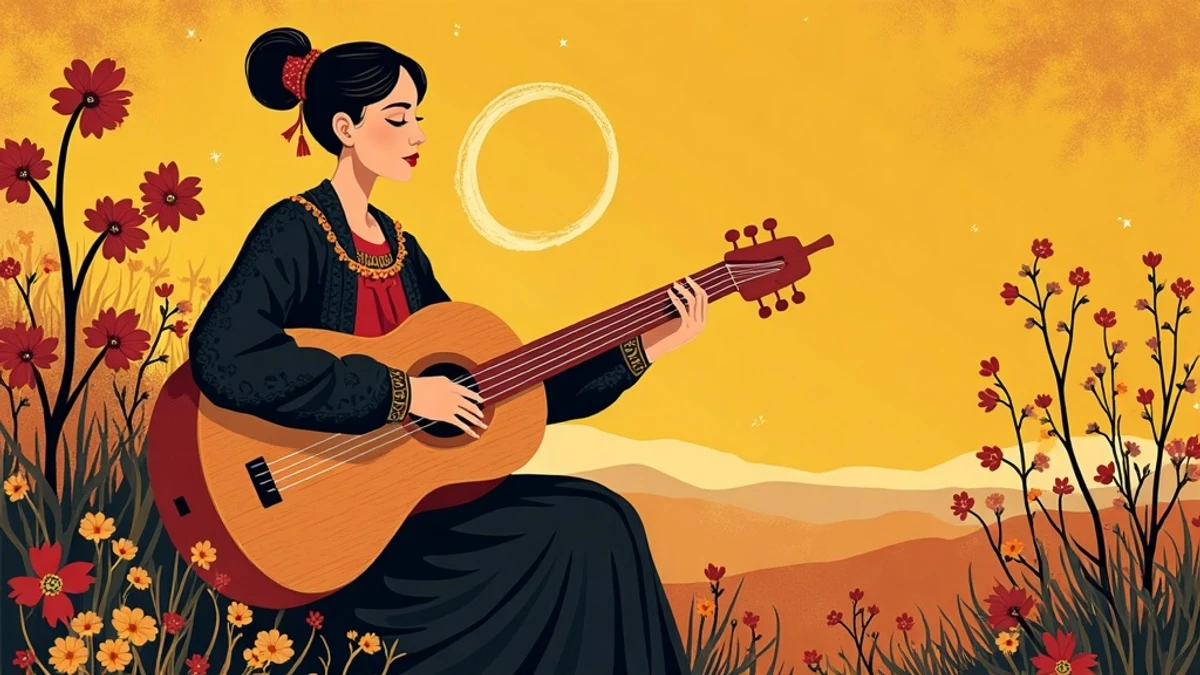
The meaning of the master–apprentice tradition
In folk music, mastery is not only technical but also a moral and cultural status. The master teaches the apprentice to play saz, sing türkü, stage etiquette, and tradition's rules. This relationship differs from formal school; it is mostly one-to-one and spans years.
In Turkish folk music the bard tradition is the foundation of the master–apprentice system. Figures such as Aşık Veysel and Muharrem Ertaş stand in the chain of tradition both as masters and apprentices.
How does the apprenticeship process work?
The apprentice listens first; years of listening alone are part of learning. Then come repetition and learning from the master. Early stage appearance is not encouraged; one does not advance before foundations are solid.
The master corrects the apprentice's mistakes directly; though it may seem harsh, the aim is development. Respect and patience are the core virtues of apprenticeship.
The ceremony of learning from the master
In some traditions there is an apprenticeship ceremony or a ritual of receiving the bağlama. This means formal acceptance. Informal beginnings are also common today.
Teaching methods
Ear, repetition, and imitation are used instead of notation. The master plays a passage; the apprentice repeats it. Slow tempo and piece-by-piece learning are standard.
In teaching lyrics, story and context are narrated. Forms such as deyiş and bozlak are learned with their context.
Respect and ethical rules
The apprentice does not use the master's repertoire without permission or overstep in poetic duels. A master does not interfere with another's apprentice. These unwritten rules protect the tradition.
Respect for the master also covers turn-taking etiquette on stage and in muhabbet.
Relation to modern education
Conservatories and courses offer formal education; the master–apprentice relationship is an informal complement. The two do not exclude each other. Conservatory provides technique; the master adds traditional performance and repertoire.
Online lessons cannot fully replace the master model; live correction and role modeling are essential.
Becoming a master
Competence is not only playing but teaching and carrying the tradition. A master is measured by the apprentice's success. Neşet Ertaş is remembered both as master and folk bard.
Not every experienced player must become a master; those willing and ready to teach take on this role.
How to progress as an apprentice
Be patient, listen, take notes, practice regularly. Learn your master's repertoire and style in depth. Prefer solid foundations over early independence.
Listening to different masters adds richness; however, designate a main master.
Turkish folk music tradition has been built on oral transmission and live performance for centuries. Therefore theoretical knowledge and practical experience must progress together. Every detail you hear while playing bağlama or singing türkü strengthens your ear memory and musical intuition. Listening to recordings, joining muhabbet gatherings, and receiving feedback from an experienced player when possible accelerate learning. Patient, regular practice always yields more lasting results than short bursts of enthusiasm.
Different variants of the same türkü can be found in different regions of Anatolia; this diversity is the richness of folk music. Rather than seeking a single correct version, it is important to respect regional differences and shape your own performance consciously. Recordings of masters such as Aşık Veysel, Neşet Ertaş, and Pir Sultan Abdal are valuable references for both technical and emotional expression. By listening actively to these recordings you can grasp emphasis, breath, and phrase structure.
Bağlama tunings, karar pitch, and tuning knowledge are complementary topics. In each of the La, Re, and Mi karar layouts string tension and pitch range differ; therefore planning tuning when choosing repertoire makes performance easier. Short-neck bağlama suits daily practice and mid-range türküs, while long-neck offers advantage in bozlak and forms with wide melisma. Cura is a valuable complement for thin-textured accompaniment and high-register pieces.
When building repertoire, consider both your technical capacity and your audience. Learning a small number of pieces in depth is more valuable than many half-memorized ones. In group performances, shared list, tuning compatibility, and rehearsal discipline are keys to success. In individual practice, metronome, recording, and a regular repetition routine make progress tangible.
The muhabbet tradition and bard practice form the social dimension of folk music. Türkü is not only sound but story, belonging, and shared feeling. Preserving this tradition in the digital age is possible by sustaining live performance and learning from correct sources. Each generation keeps the tradition alive by adding its own interpretation; what matters is respect, patience, and continuity.
Conclusion
The master–apprentice relationship in folk music is the foundation of conscious transmission and cultural continuity. Listening, repetition, respect, and patience are the keys to the process. Modern education complements this tradition; it does not replace it. A good master and a good apprentice shape the future of the tradition together.
Frequently asked questions
How is a master chosen?
A performer you trust, whose style you respect, and who is willing to teach. A formal ceremony is not required; mutual acceptance is enough.
How long does apprenticeship last?
It can last years. Foundations settle in a few years; maturity develops throughout life. Do not rush.
Does conservatory replace the master?
No, it complements. Conservatory provides technique and theory; the master transmits traditional performance and repertoire.
Can there be more than one master?
It is good to designate a main master. Listening to different masters is beneficial; focus is important to avoid confusion.
What does learning from the master mean?
Learning a piece or style taught by the master with their permission and guidance. It includes respect and attribution.
Were there female apprentices in the tradition?
Yes, with regional differences. Today female performers and teachers are increasingly visible. The tradition is living and inclusive.
Related content
- Aşık Veysel
- Neşet Ertaş
- Pir Sultan Abdal
- Short-neck bağlama
- Long-neck bağlama
- Cura
- The bard tradition in Turkish folk music
- How to prepare repertoire
- What is the muhabbet tradition?
- What is deyiş?
- Az Giderim Uz Giderim Hacı Bey
- Anlatmam Derdimi Dertsiz İnsana
- The Traveling Ozan Tradition in Anatolia
- Ben Giderim Sazım Sen Kal Dünyada