
Tradition and Culture
Most Common Song Types in Muhabbet Gatherings
Türkü, bozlak, deyiş, and uzun hava forms frequently performed at muhabbet gatherings. Venue culture, turn-taking tradition, and regional repertoire differences.
- muhabbet
- türkü
- bozlak
- deyiş
- tradition
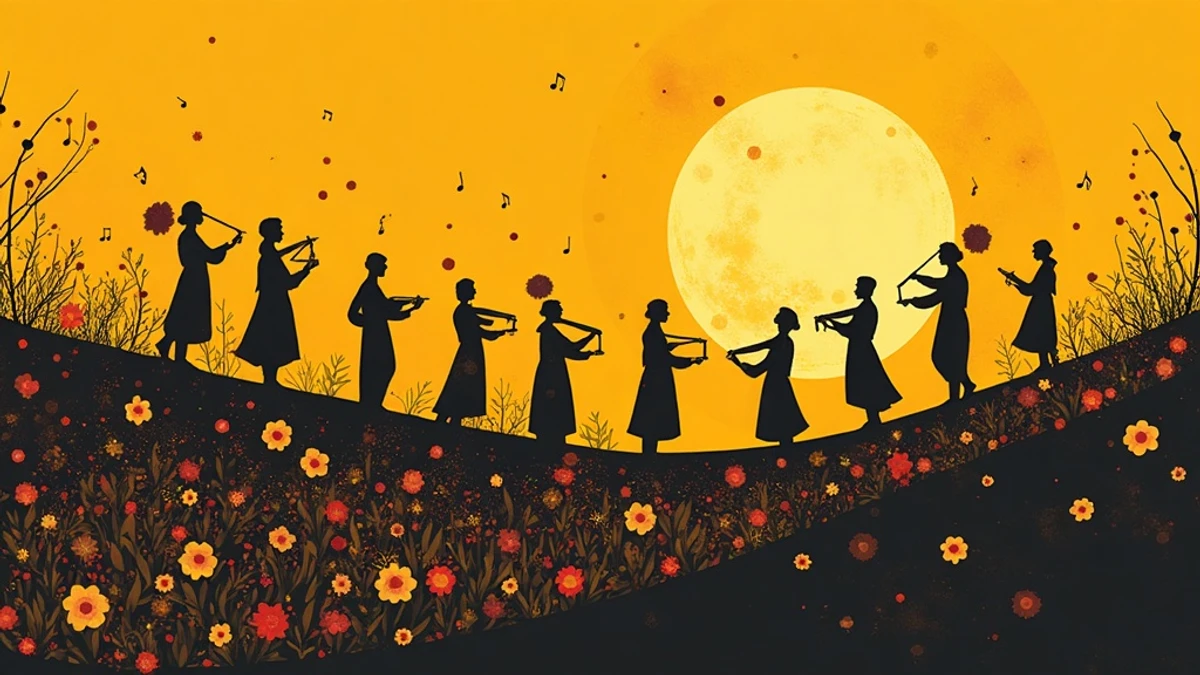
The muhabbet setting and musical culture
Muhabbet is a social setting where oral culture and live music come together. Türkü, bozlak, deyiş, and storytelling form a whole alongside the bağlama. The article on what the muhabbet tradition is explains the roots of this culture; here we focus on the musical forms most often sung.
The setting is shaped by region, participants, and the mood of the day. In Central Anatolian muhabbet gatherings, bozlak-heavy repertoires may dominate; in Alevi-Bektaşi cem settings, deyiş and semah türküleri may stand out.
Short türküler and refrains
Short, repetitive türküler are often preferred at muhabbet because everyone can join in easily. Universal songs such as Az Giderim Uz Giderim appear in shared repertoires across different regions. A refrain structure makes it easier for listeners to accompany the singer.
Short türküler on themes of love, longing, and exile form the emotional backbone of muhabbet. Understandable lyrics increase participation.
Turn-taking tradition
Muhabbet has a tradition of singing in turn. When it is your turn, choose a piece from your repertoire that suits the setting. A very long piece that monopolizes the turn may be seen as disrespectful.
Bozlak and uzun hava
Bozlak are long forms with wide intervals and melismatic ornamentation. Neşet Ertaş's interpretations are modern classics of the bozlak tradition. Experienced ozans sing bozlak at muhabbet; the audience listens in silence.
Uzun hava is related to bozlak; name and form vary by region. The article on what bozlak is offers a detailed formal analysis.
Deyiş and instructive oral forms
Deyiş are poetic forms in the Alevi-Bektaşi tradition that carry faith and teaching. Pir Sultan Abdal deyişleri are often sung in muhabbet and cem settings. The article on what deyiş is explains the form.
Singing deyiş requires performance skill and spiritual responsibility; knowing the context and the words correctly matters.
Atışma and call-and-response singing
Call-and-response exchanges between two ozans are a dynamic part of muhabbet. Ready rhymes and a stock of images are needed. The atışma tradition is one of the living aspects of the ozan tradition.
Respectful limits are kept in atışma; verbal craft, not personal attack, is what matters.
Regional differences
Black Sea muhabbet repertoires differ with kemençe and tulum; melodic structure changes from bağlama-centered Central Anatolia. The traveling ozan tradition enriches interregional türkü transmission.
Local türküler carry identity and belonging at muhabbet; a guest ozan can show respect by learning a regional song.
Contemporary muhabbet communities
Regular muhabbet communities in cities keep the tradition alive. Social media, gatherings, and cultural associations open new spaces. Digital recording documents these settings and carries them into the future.
New participants should first be listeners and learn the rules of the setting; then they can join in with short türküler.
The Turkish folk music tradition has been built for centuries on oral transmission and live performance. Theory and practical experience should therefore advance together. Every detail you hear while playing bağlama or singing türkü strengthens your ear memory and musical intuition. Listening to recordings, joining muhabbet settings, and getting feedback from an experienced player when possible speed up learning. Patient, regular practice always yields more lasting results than short bursts of enthusiasm.
Different variants of the same türkü can be found across Anatolia; this diversity is the richness of folk music. Rather than seeking a single correct version, it is important to respect regional differences and shape your own performance consciously. Recordings by masters such as Aşık Veysel, Neşet Ertaş, and Pir Sultan Abdal are valuable references for both technical and emotional expression. By listening actively to these recordings, you can grasp emphasis, breath, and phrasing.
Bağlama tunings, karar pitch, and tuning knowledge complement one another. In La, Re, and Mi karar tunings, string tension and interval spacing differ; planning repertoire by tuning therefore makes performance easier. Short-neck bağlama suits daily practice and mid-range türküler, while long-neck bağlama offers an advantage in bozlak and wide melismatic forms. Cura is a valuable complement for thin-textured accompaniment and high-pitched pieces.
When building repertoire, consider both your technical capacity and your audience. Learning a small number of pieces in depth is more valuable than many half-memorized ones. In group performance, a shared list, tuning agreement, and rehearsal discipline are the keys to success. In individual study, a routine of metronome work, recording, and regular repetition makes progress tangible.
Muhabbet tradition and ozanlık form the social dimension of folk music. A türkü is not only sound but story, belonging, and shared feeling. Preserving this tradition in the digital age is possible by sustaining live performance and learning from reliable sources. Each generation adds its own interpretation and keeps the tradition alive; what matters is respect, patience, and continuity.
Conclusion
In muhabbet settings, short türküler, bozlaklar, deyişler, and atışmalar serve different functions. Knowing venue culture and turn-taking tradition enables respectful participation. Regional diversity is the richness of folk music. Contemporary communities should remain open and instructive to new participants while keeping the tradition alive.
Frequently asked questions
Who sings first at muhabbet?
The host or the most senior ozan may open the gathering. Custom varies by region. Newcomers should not rush and should wait their turn.
Is bozlak sung at every muhabbet?
No. Bozlak is a long, intense form; it requires experienced performers and a suitable setting. Short türküler are more common.
What is needed to sing deyiş?
You need to know the words and context correctly, perform respectfully, and generally be accepted within the community. Listening and learning from a master are important.
Which türküler are universal?
Pieces such as Az Giderim Uz Giderim and Ben Giderim Sazım Sen Kal Dünyada are known in many regions. Still, learning the local repertoire is worthwhile.
Is bağlama required at muhabbet?
In traditional muhabbet, bağlama is central. Different instruments are used in some regions. Songs can be sung without accompaniment, but saz completes the spirit of muhabbet.
Is recording appropriate?
Recording without performers' permission may be seen as disrespectful. Be especially careful with deyiş and private settings. Documentation with permission is possible.
Related content
- Aşık Veysel
- Neşet Ertaş
- Pir Sultan Abdal
- Short-neck bağlama
- Long-neck bağlama
- Cura
- What is the muhabbet tradition?
- What is bozlak?
- What is deyiş?
- The ozan tradition in Turkish folk music
- Ben Giderim Sazım Sen Kal Dünyada
- Az Giderim Uz Giderim Hacı Bey
- Anlatmam Derdimi Dertsiz İnsana
- The Traveling Ozan Tradition in Anatolia